
In this article:
Gray hair has a striking elegance, a quiet strength, and a beauty all its own. As a professional hairdresser working in one of the most luxurious salons at the Cheval Blanc Paris, I have the privilege of helping clients care for and celebrate their naturally graying hair, transforming it into a refined statement rather than something to be hidden or subdued.
But achieving that soft, radiant, luminous look with gray or white hair doesn’t always come naturally. Gray strands often bring new challenges in texture, porosity, and tone. The good news is, with the right care, gray hair can be every bit as shiny, silky, and strong as any other shade.
Here are my most trusted, salon-tested tips to help your gray hair reach its fullest potential: glossy, healthy, and beautifully refined.
Understand Why Gray Hair Loses Its Shine
Before we look at solutions, it’s important to understand what’s changing.
As we age, the hair follicle gradually stops producing melanin, which removes pigment from the hair strand. At the same time, the scalp produces less sebum (our natural conditioner), leaving strands drier and less protected. Without this natural moisture barrier, gray and white hair can become more brittle and prone to frizz.
What many notice first is the dullness. This happens because unpigmented hair reflects light differently and often appears rougher or more matte in texture. But dullness isn’t the only concern—gray hair is also especially vulnerable to yellowing or brassiness. Because the strands are clear of pigment, they absorb external elements more easily.
- Sun exposure and UV rays can alter the appearance of gray hair, giving it a yellowish cast.
- Excessive heat styling without efficient protection can scorch delicate, pigment-free strands, leaving them looking brassy.
- Minerals from hard water (like iron and copper) often cling to the hair’s surface, dulling the silver shine.
- Chlorine in pools and environmental pollutants like smoke or smog can stain or coat the hair, making it appear yellow.
- Even certain medications or product buildup over time can change how gray hair reflects light.
Combined, these factors can turn bright silver into something flat, yellowed, or lackluster.
The solution? A focused routine that addresses moisture loss, protects against environmental stress, and corrects unwanted tones—helping gray hair stay radiant, polished, and full of life.
The Science Behind Gray Hair’s Structure
To restore light-catching brilliance to gray hair, it helps to understand what’s changing beneath the surface.
As pigment disappears, so do the protective benefits that come with it. Melanin not only gives hair color but also contributes to the structural harmony of the strand. Its absence leads to a cascade of changes:
- Cuticle disruption: The outer layer of gray hair becomes more irregular and lifted. This uneven surface scatters light instead of reflecting it, reducing shine and contributing to a coarse feel.
- Weakened protein matrix: Keratin proteins form the backbone of each strand. Over time, oxidative stress, free radical damage, and natural aging begin to degrade these proteins, weakening hair’s internal structure and making it more vulnerable to breakage.
- Increased porosity: Gray hair often becomes more porous, meaning the strand absorbs water quickly but struggles to retain it. This results in persistent dryness, a rough texture, and less elasticity.
- Loss of the lipid layer: Healthy hair is coated in natural oils that protect, smooth, and lock in moisture. As oil production diminishes with age, this protective barrier breaks down, leaving hair exposed and more sensitive to heat, humidity, and friction.
Together, these changes mean gray hair requires more support, not just cosmetically, but structurally. Treatments need to be both surface-smoothing and internally strengthening to restore shine and suppleness.
Understanding Gray Hair Texture
Alongside changes in color, one of the most noticeable shifts that comes with gray hair is its texture. As melanin production slows, the hair strand often becomes coarser, drier, and more wiry. This is partly because the scalp produces less sebum (our natural oil), leaving gray hair without the smooth protective coating it once had. Without this natural conditioning, strands may feel rougher, resist styling, and appear more frizz-prone.
– Dryness and Coarseness:
Gray hair can feel stiffer or more brittle, making it harder to achieve the same smoothness or flexibility you may have been used to. This lack of natural lubrication also means gray hair is more prone to breakage if handled roughly or brushed aggressively.
– Wiry Texture:
Many clients notice that individual gray strands grow in with a wiry or uneven feel. This is due to changes in the follicle structure, which can alter how the cuticle lays against the shaft. The result is hair that resists lying flat, making it harder to tame and to reflect light evenly—so the texture often appears rough, causing gray hair to look dull rather than shiny.
– Heat Styling and Protection:
Because gray hair is already more fragile, it reacts differently to heat tools. Flat irons and curling wands can easily dehydrate or even scorch pigment-free strands, exaggerating yellowing and leaving hair feeling dry or straw-like. Blow-dryers, if used without heat protection, can roughen the cuticle further and make wiry textures more noticeable.
– Managing Texture:
The solution lies in moisture, heat protection, and gentle styling. A tailored routine with nourishing masks, leave-in conditioners, and lightweight oils helps restore suppleness. Before using any hot tool, a thermal protector is essential to shield strands from damage and preserve shine. For those wanting smoother results, low-heat settings paired with a round brush can help polish gray hair without sacrificing its health.
By understanding these texture changes, you can work with your hair—enhancing its natural character—rather than fighting against it.
The best tips for gray hair care:
– Double cleanse
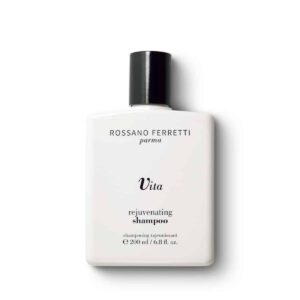
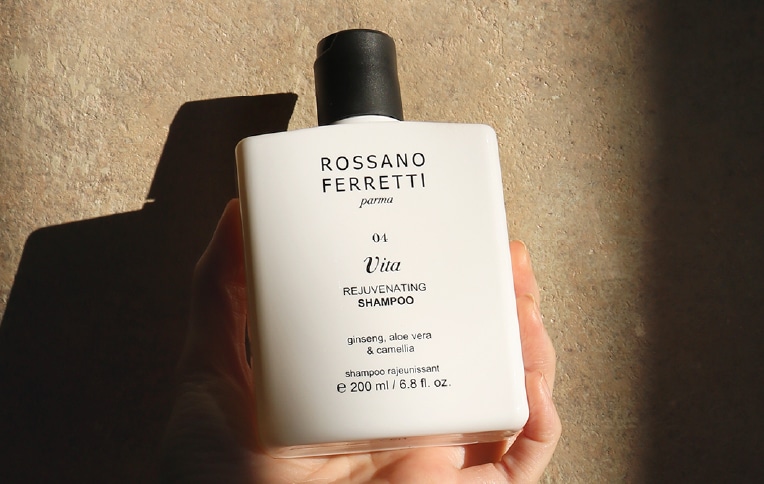
I always recommend a double cleanse using a sulfate-free, hydrating shampoo. The first cleanse helps to break down oils, product residue, and airborne pollutants, which can make white and gray hair appear yellow or muddy. The second cleanse clears the scalp thoroughly, removing any remaining buildup and preparing the hair to absorb moisture more effectively.
When cleansing, focus the product at the scalp and roots. Allow the suds to run down the lengths as you rinse. This is often sufficient to cleanse the ends without over-drying them.
Tip: A clean scalp supports better hair growth and healthier hair. Be gentle with your massage, use your fingertips, not your nails.
For more in-depth guidance read our dedicated article on: How Often Should I Wash My Hair?
– The gray hair rinse
One of the most common concerns my gray -haired clients face is yellowing or brassiness. Even if your hair is naturally silver, exposure to UV light, minerals in water, pollution, and heated tools can all create unwanted warmth or dullness.
To counteract this, I recommend occasional toning treatments or gray hair rinses. These can be done in-salon for the most precise results, as a professional toner tailored to your base shade will neutralize brassiness and revive the crispness of your color—whether you’re working with icy white, smoky silver, or a softer steel tone.
At home, purple shampoos and masks are an excellent way to extend those results. Purple pigments sit opposite yellow on the color wheel, so when applied, they gently cancel out brassy or yellow tones. On a chemical level, these formulas usually contain direct violet dyes that deposit onto the hair cuticle without penetrating deeply. Because gray and white strands are more porous (lacking natural melanin), they readily absorb these pigments, which visually neutralize the yellow cast caused by UV exposure, minerals, or product buildup. The result is a brighter, cooler, and more luminous silver.
- Frequency: Most clients benefit from using a purple shampoo once a week, or every second wash if their hair is prone to strong yellowing. Overuse, however, can create a bluish or overly matte finish—so moderation is key.
- Routine pairing: Follow with a hydrating conditioner or mask to restore softness, as toning shampoos can sometimes be slightly drying.
- Mask option: A purple-toned mask used every 2 weeks or more can give a deeper refresh, ideal before a special occasion or when your gray hair needs a boost.
Tip: If you swim often or live with hard water, pair your purple shampoo routine with a shower filter or weekly scalp scrub to help remove mineral buildup—this prevents the hair from yellowing again too quickly and ensures the toning pigments work effectively.
– Apply a leave-in treatment to the ends
One of the main shifts that comes with graying hair is an increase in porosity. This means the hair shaft has tiny holes or gaps, which allow moisture to escape, leaving hair feeling rough, frizzy, and prone to breakage.
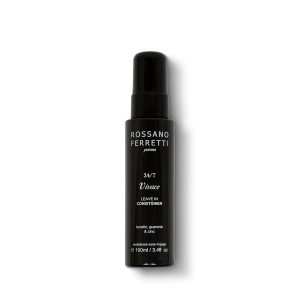
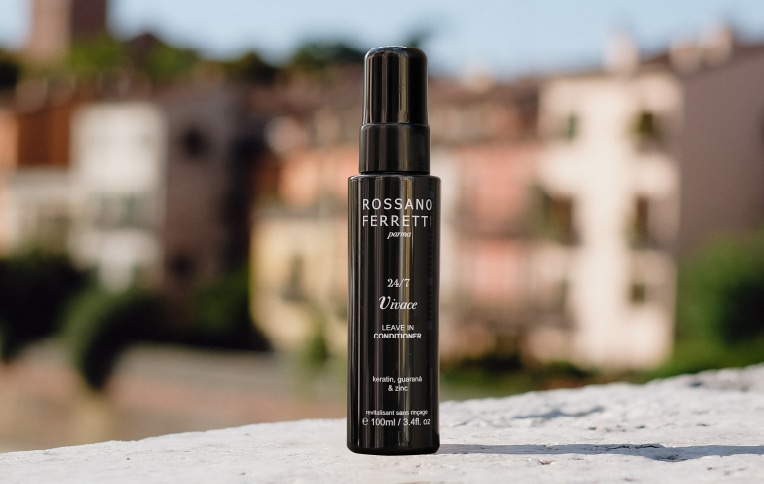
To combat this, I advise using a lightweight leave-in conditioner or hydrating serum on clean, towel-dried hair. Focus on the mid-lengths and ends, which are the oldest and most fragile parts of the strand.
These treatments form a protective barrier, sealing in hydration and smoothing the cuticle, which is crucial for light reflection – the secret to shine. They also help reduce friction during styling and brushing, which protects the hair from unnecessary damage.
How to Apply a Leave-In Conditioner (Step-by-Step)
1. Start with clean, towel-dried hair
After shampooing and conditioning, gently pat your hair dry with a towel. It should be damp, not dripping wet—before applying product.
2. Section your hair
Split your hair into manageable sections. This makes it easier to apply the product evenly, especially if you have thicker or longer hair.
3. Dispense a small amount of product
Start with a small amount of leave-in, just enough to lightly coat the lengths. You can always add more if needed based on your hair’s length and density.
4. Apply to mid-lengths and ends
Work the product through the mid-lengths and ends—these are the oldest and most delicate areas. Avoid the roots, as this can weigh your hair down.
5. Comb through gently
Use a wide-tooth comb or detangling brush to spread the product evenly and help smooth out any knots.
6. Style as usual
Let your hair air dry naturally for a soft finish, or blow-dry if you prefer a styled look. Either way, your leave-in will help protect and enhance shine.
Pro Tip: A quality leave-in protects hair during brushing, minimizes frizz, and enhances shine by smoothing the cuticle for better light reflection.
– Tailor Your Hair’s Moisture Level Based on Hair Texture and Density
When it comes to gray hair, a one-size-fits-all approach simply doesn’t work. Over time, the texture of the hair can evolve: some individuals notice their strands becoming finer and more fragile, while others experience more volume, coarseness, or a wiry feel.
This is why understanding your hair type is essential when choosing hydrating products:
- Finer or thinning hair benefits most from weightless hydration. Reach for light textures that condition without coating. Stay away from heavy oils that may flatten or overwhelm delicate strands.
- Thicker or coarse gray hair tends to thrive with denser formulations like rich creams or intensive masks. Look for formulas that soften and smooth, helping tame stiffness and improve elasticity.
- Curly or highly textured silver hair needs layering: start with light hydration, then build in richer stylers to lock in moisture and encourage definition.
– Shield Gray Hair from UV Damage
Natural gray hair lacks melanin, which means it has no built-in UV protection. This makes it more vulnerable to sun damage, which can cause dryness, brittleness, and visible yellowing. Just as we protect our skin from UV rays, hair needs similar care to maintain integrity and tone.
Using styling products that contain antioxidants and UV filter help mitigate the effects of sun exposure. On high-exposure days, a physical barrier like a silk scarf or wide-brimmed hat offers the most effective protection.
UV damage doesn’t just dull the hair, it can cause long-term structural changes, so early prevention is key to lasting shine.
– Strengthen with Bond-Building Treatments
As hair ages, its internal bonds – the links that hold keratin chains together – can become weakened, especially if heat or chemical treatments are used. Bond-building formulas help repair and reinforce these internal structures, making the hair more resistant to breakage and frizz.
For clients with particularly brittle or wiry gray hair, a weekly bond treatment can make a noticeable difference in how the hair behaves and responds to styling. Unlike traditional hair masks, these treatments penetrate and re-link broken bonds without compromising flexibility.
Hair that feels strong from the inside out is more likely to shine on the surface.
– Nurture the Scalp With a Lightweight Daily Serum
A healthy scalp is the foundation for radiant gray hair, yet it’s often overlooked. As melanin fades with age, the scalp undergoes its own transformation, producing less sebum, becoming more prone to dryness, sensitivity, and discomfort. These subtle shifts can impact hair growth, fiber strength, and overall shine.
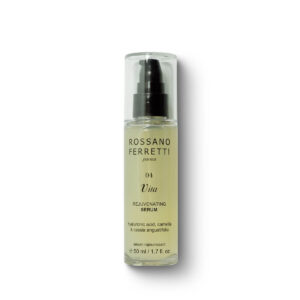
One of the most effective ways to support the scalp’s changing needs is with a gentle, hydrating leave-in serum designed specifically for the scalp skin. The best formulas are lightweight, fast-absorbing, and enriched with soothing botanical extracts, vitamins, and pro-aging actives. They deliver moisture where it’s most needed without leaving residue or disrupting hair’s natural texture or volume.
This kind of serum can be applied daily (on damp or dry hair) directly to the scalp. A few drops massaged in with the fingertips not only delivers hydration but also stimulates circulation, helping to reawaken the scalp’s natural functions. Over time, this helps maintain a cleaner, calmer, and more balanced scalp environment, which is essential for soft, luminous hair at any age.
Tip: Enhance the results of any scalp treatment with Hair Power Drops – designed to supercharge the performance of any hair or scalp product. This clinically proven formula improves hair longevity, enhancing shine by 8.5%, hydration by 15.5% as well as improving overall softness and smoothness which in turn helps gray hair reflect the light and appear brighter and more vibrant.
Even clients who have never considered scalp care often notice a difference: less dryness, more comfort, and a revitalized feel at the root that translates to healthier-looking hair.
Myths About Gray Hair, Debunked
I often hear long-standing misconceptions about gray hair so let’s clarify a few.
- Myth 1: Plucking a gray hair makes more grow in its place.
Truth: A single follicle can only grow one strand of hair at a time. Plucking will not cause more gray hairs to appear, although repeated plucking can damage the follicle over time. - Myth 2: Gray hair is always coarse.
Truth: Gray hair can feel coarser, but this is usually due to reduced sebum and increased dryness, not the actual diameter of the strand. Many clients with fine hair still experience soft, wispy gray strands. - Myth 3: Once hair turns gray, it stops growing.
Truth: Hair continues to grow regardless of pigment. However, hormonal shifts and health factors can affect the growth cycle, which may coincide with graying. - Myth 4: You can’t get shine without color.
Truth: Shine comes from a smooth, hydrated cuticle and good light reflection. With proper care, gray hair can look just as glossy as pigmented hair.
Final Thoughts
Gray hair isn’t something to hide, it’s something to honor. With the right knowledge and a routine built around hydration, clarity, and tone control, your silver strands can shine just as brightly as any other color.
Whether you’re newly gray or have been embracing it for years, remember: your hair is a reflection of your individuality. Treat it with care, protect its integrity, and give it the tailored attention it deserves.
If you’re unsure where to start, speak to a stylist who understands the nuances of gray hair. In the salon, we personalize everything – from cleansing rituals to cutting techniques – to ensure your gray hair looks polished, radiant, and uniquely yours.