
How to Protect Your Hair From Chlorine When Swimming
Summers are made for fun! Think “beach trips, late-night dips in the pool, and days spent at the lake.” However, swimming can totally wreak havoc on your gorgeous locks, with chlorine being the number one culprit. This chemical has its perks, but its effect on your hair is not one of them! The good news is that you don’t have to sit out the season – you just need to know how to protect your hair from chlorine!
According to our team of Italian hair care experts, you can still cool off in the pool and enjoy zesty summertime activities – but with a few twists!
First:
Featured Products











What does chlorine do to your hair?
Before we give you the solutions, let’s tackle the problem. Why is chlorine so bad for our hair?
This chemical (as well as saltwater) can strip your hair of its natural oils, leaving it dry and brittle. You see, our natural hair oils have amazing moisturizing, healing, and protective properties and, without them, our strands are more vulnerable. Chlorine can also change the color of your locks and instigate split ends.
But that’s enough of that. Let’s move onto how you can splash away all summer long and still have fabulously vibrant hair (chlorine DOES NOT have to spoil your fun!):
How to protect hair from chlorine?
Rinse Your Hair with Clean Water Before and After Swimming
When your hair is dry, it hungrily absorbs water like a sponge. So, if you jump into a pool with dry hair, it’s inevitable that it’ll suck up as much chlorinated water as it can. But there’s one clever little trick that can make ALL the difference:
Simply rinse your hair with clean water before you swim! Since your locks are already wet, it will take them longer to absorb the harsh chemicals in the pool water.
Another professional tip is to wash your hair after swimming in salt or chlorinated water. This way, you can rinse away all the harsh chemicals so that they have no chance of doing any further damage.
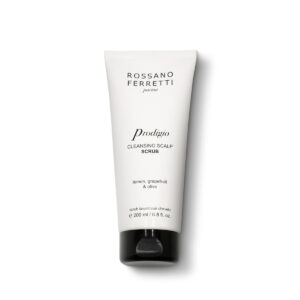
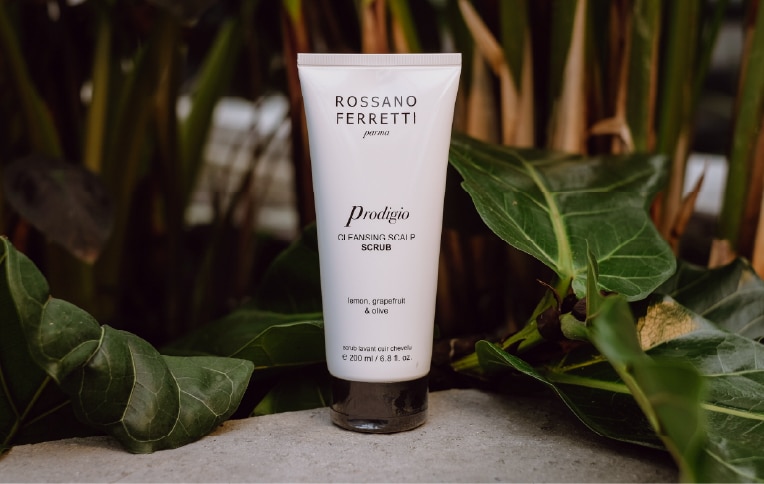
For a more thorough hair and scalp wash, we recommend Prodigio Scalp Scrub. This gentle exfoliating scrub deeply cleanses the scalp and reinvigorates the hair, helping to prevent any irritations or build-up on the scalp caused by chlorine. It also uses ingredients such as peppermint and olive to soothe and refresh your scalp and hair, which is just what you need after a hot day in the glorioso sun!
Apply a Protective Oil to Your Locks to Reduce the Effects of Chlorine
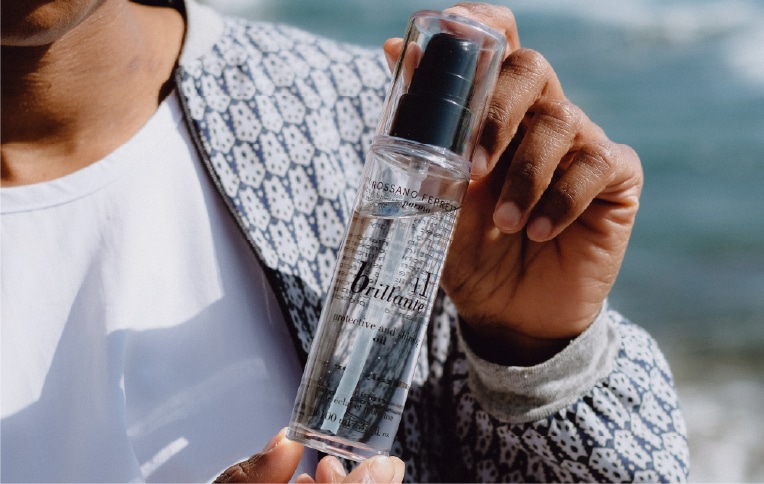
Protective hair oil will work as a barrier, helping to prevent chlorine from seeping into your strands. Ultimately, this is where our Brillante Protect & Shine Oil performs its best magic!
This non-greasy formula is infused with ingredients such as grape seeds (rich in linoleic acid, polyphenols, and Vitamin E) and sunflower seeds (containing essential vitamin E, magnesium, and fatty acids) to help nourish, condition, and protect hair.
Tip: If you want to know how to protect colored hair from chlorine, then Brillante Oil is THE answer!
Inspired by summers on the world-famous and simply stunning Amalfi coast, we invite you to make Brillante Oil your new summertime best friend!
Use a Mask to Infuse Your Hair with Moisture
You already know that chlorine strips hair of its natural, hydrating oils. If it’s already gotten the better of you in this regard, do not worry – celebrare! (celebrate) – there is hope!
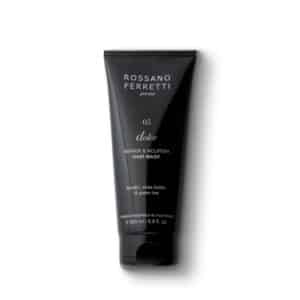
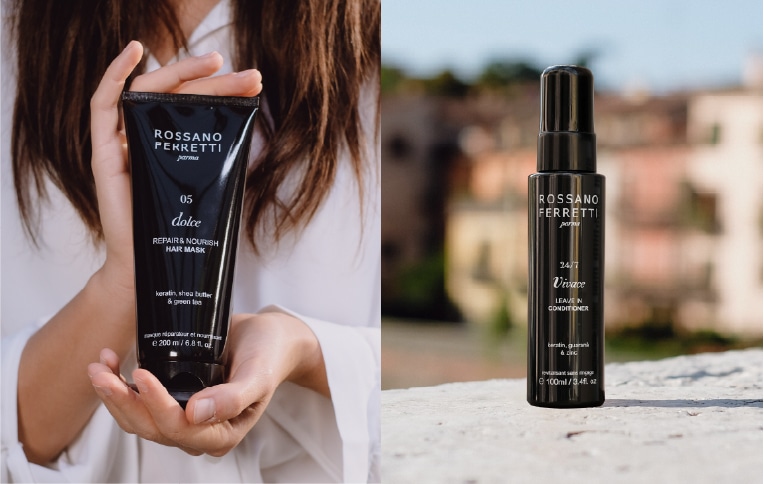
Just one application of our Dolce Repair & Nourish Hair Mask will give your lovely locks a boost in hydration and softness.
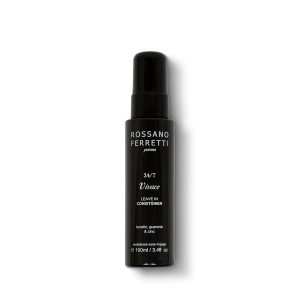
This mask can be complemented with our delectable Vivace Leave-In Conditioner for extra moisture and an extra layer of protection. Simply apply this formula to the lengths of your washed, damp tresses and, you’re done – no need to rinse or heat style your hair (embrace natural, flowy locks this summer)!
Our Dolce Mask and Vivace Leave-In Conditioner are the answer to soft, silky, manageable hair – allowing you to swim until your heart’s content while your hair remains gorgeous!
Keep Hair Dry and Safe with a Swimming Cap
For more avid swimmers who spend more time in the water when on holiday than on land(!), we recommend wearing a fashionable swimming cap this season to give your hair even more protection. Just remember to apply a protective barrier oil to your locks so that there’s no harmful friction between the cap and your strands. Without a barrier oil, the cap can cause your strands to snap, leaving you with a frizzy “do.”
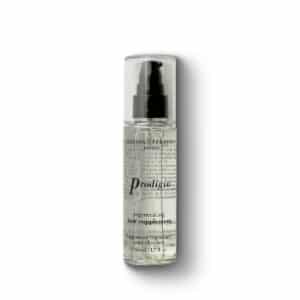
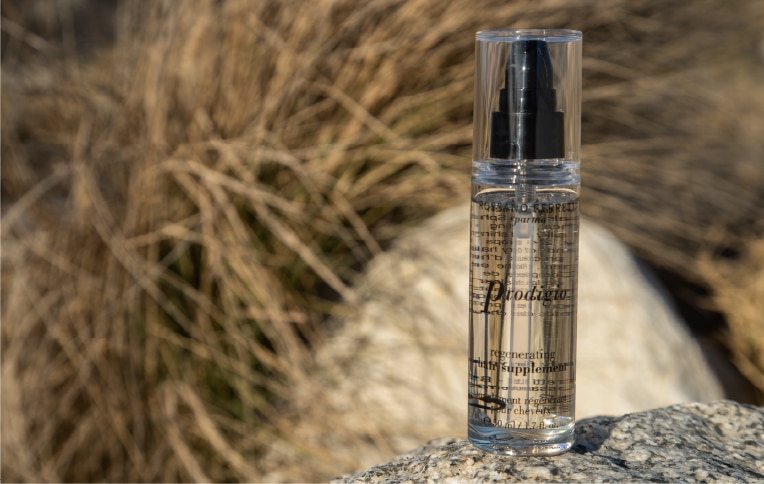
What do we suggest for this? Our Prodigio Regenerating Oil, of course!
This lightweight formula uses naturally derived ingredients like avocado, rosemary, and almond with essential vitamins, minerals, and antioxidants to seal the hair’s cuticle and provide daily protection. PLUS, it smells divinely of summer, with hints of spicy Patchouli, sandalwood, and sweet Amber.
Detangle Your Hair with Care
One last piece of advice, adoringly given to us by our RF hair professionals, is to detangle your wet chlorine-exposed hair gently.
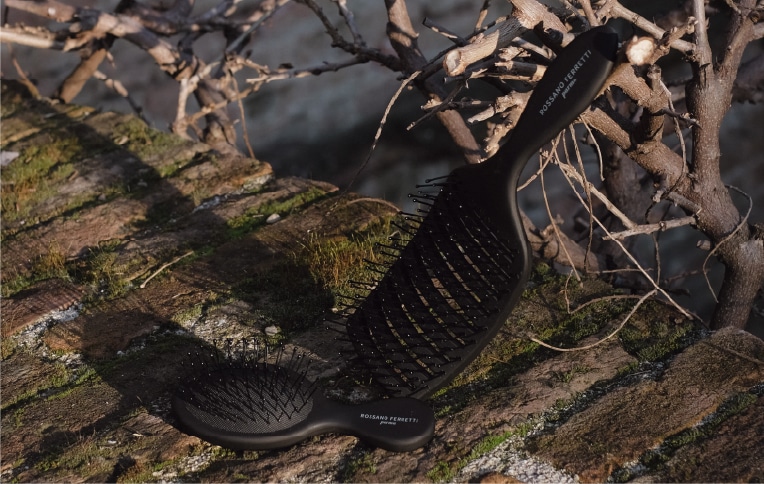
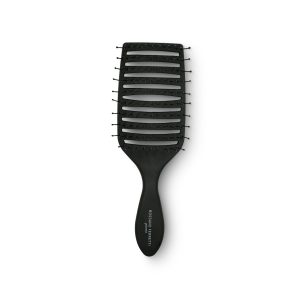
Because chlorine can leave your hair vulnerable, dry, and more prone to breakage, you need to tackle those tangles with care. Enter our fantastico Professional Detangler Brush! Ergonomically designed to glide through hair with ease while reducing discomfort and breakage, this clever brush will help you to work your way through wet (or dry) hair without snagging at strands and causing any mamma mia moments!
Tip: Purchase our travel-size detangler brush to keep in your beach bag!
With the warm sun on your skin, the sweet scents in the air, and the hive of activity around you – your summer can be one to remember (thanks to our glorious collection of protective luxury hair care products) – you’re welcome!