
Expert fall haircare tips for healthy hair



In this article:
Why Fall Haircare Is Different
Understanding Fall Humidity
Hydration Is Key
Reduce Washing Frequency and Refresh Smarter
Scalp Care: The Foundation of Healthy Hair
Seasonal Shedding: What’s Normal and What Isn’t
Trim and Treat to Prevent Split Ends
Protect Hair from the Elements
Rethink Your Heat Styling Habits
Nourish from the Inside Out
Final Thoughts from the Chair
As a professional hairdresser, I see it every year: clients come back after summer with hair that feels dry, frizzy, and unmanageable. That’s because fall brings changes that affect your hair just as much as your wardrobe. Cooler weather, changes in humidity, central heating, and friction from scarves and coats all influence your hair’s condition.
With a few seasonal adjustments, fall can be the perfect time to keep hair nourished, strong, and protected. Here’s everything you need to know to keep your hair healthy, hydrated, and vibrant as the temperatures drop.
Why Fall Haircare Is Different
Fall is a transitional season, and that means your hair may start behaving differently. The temperature drops, changes in humidity levels decrease, and central heating is switched on. You start wearing scarves, hats, and coats, all of which increase friction and put extra stress on your strands – especially around the nape of the neck. Here’s what you might notice:
- Hair that feels rough or brittle
- Static and flyaways
- Itchy or dry scalp
- Split ends or breakage
- More hair fall than usual
- A general loss of shine and elasticity
The scalp, like the skin on your face, can become more sensitive in colder months, resulting in dryness, tightness, and even flaking. Your hair’s cuticle also opens more in low humidity, leading to greater moisture loss and frizz. Plus, increased indoor heat contributes to a dry environment that can dehydrate both hair and scalp.
Understanding these seasonal shifts is the first step to managing and preventing the most common fall haircare concerns.

Understanding Humidity during Fall
Humidity in the fall varies widely across the US, and this can directly affect your hair’s behaviour. In many northern and central regions, humidity tends to drop as the air becomes cooler and drier, which can leave hair feeling more fragile. In contrast, parts of the Southeast and coastal areas can maintain much higher levels of humidity well into fall, which may lead to frizz and reduced volume instead.
By understanding your local climate, you can adjust your routine accordingly — choosing richer hydration where the air is dry or focusing on frizz control where higher levels of humidity lingers.
Hydration Is Key: Lock in Moisture Where It Matters Most
Just like your skin, your hair and scalp need more moisture in the fall. This is the time to switch to more nourishing, hydrating formulas that help maintain softness and strength.
What I recommend:
- Use a sulphate-free, moisturising shampoo. Sulphates can be drying, especially in colder seasons. Look for gentle cleansers that preserve your scalp’s natural balance.
- Always follow with a hydrating conditioner. Focus on your mid-lengths and ends, where dryness is most noticeable.
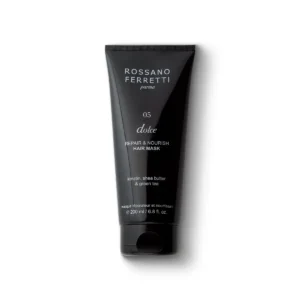
- Deep condition often. A rich hair mask makes a big difference. Think of it like a treatment to restore elasticity and seal in hydration.
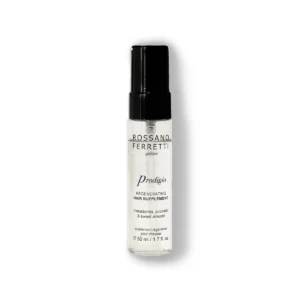
- Use a leave-in conditioner or serum to lock in moisture and keep hair soft and supple between hair wash days.
Pro tip: Look for ingredients like hyaluronic acid, plant oils, shea butter, and natural keratin, which help repair and protect.
Reduce Washing Frequency and Refresh Smarter
Over-washing strips the scalp of natural oils, which you especially need during cold months. If you’re used to shampooing every day, try washing every 2–3 days instead.
To keep hair feeling fresh between washes:
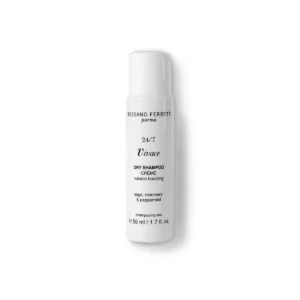
- Use dry shampoo between washes. Look for one that absorbs oil without creating buildup.
- Refresh your roots with a light mist of water and re-style. This works particularly well on curls and waves.
- Brush or massage your scalp daily. This helps distribute natural oils and keeps the scalp healthy.
Scalp Care: The Foundation of Healthy Hair
We often talk about haircare but forget the scalp is the root of it all. If your scalp is dry, flaky, or tight, your hair won’t grow as well – and it won’t look as healthy.
Fall scalp essentials:
- Exfoliate weekly with a gentle scrub. Choose one with fine exfoliants and calming ingredients like rosemary, peppermint, or tea tree oil. Apply to a damp scalp before shampooing, massage gently with your fingertips, then rinse thoroughly.
- Follow up with a hydrating shampoo and conditioner. This helps restore balance and comfort to the scalp post-exfoliation.
- Adjust frequency to your needs. Sensitive scalps may only need exfoliation every two weeks, while oilier types can benefit from weekly treatments.
- Avoid hot water. Use lukewarm water to prevent irritation and preserve your scalp’s natural moisture barrier.
- Incorporate scalp oils. Massage a few drops of nourishing oil or serum into the scalp weekly to relieve tension, encourage circulation, and soothe dryness.
Healthy hair begins with a well-cared-for scalp. By resetting your scalp in the fall, you lay the foundation for stronger, shinier, and more resilient hair in the colder months ahead.
Seasonal Shedding: What’s Normal and What Isn’t
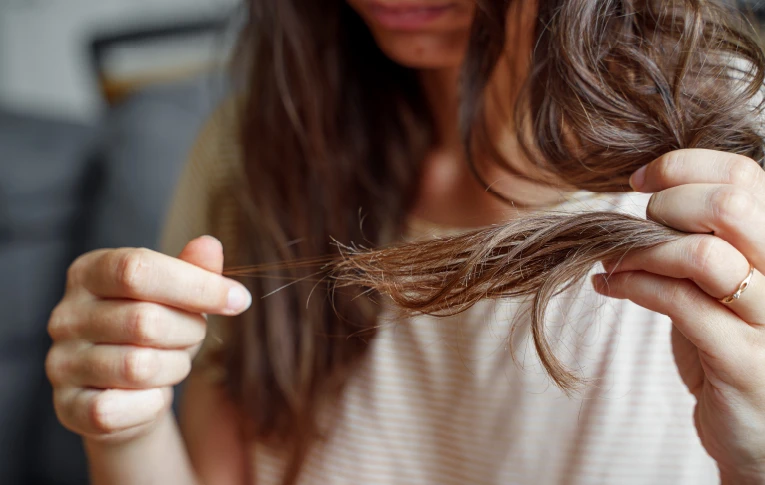
One of the most common things clients ask me about in the fall is hair shedding. Many people panic when they see more hair in the brush, but this is a natural part of the hair growth cycle.
Here’s what’s happening:
During summer, your scalp may retain more hair due to sunlight stimulating the growth phase. Come fall, more of those strands shift into the shedding (telogen) phase. It’s usually temporary and part of a normal seasonal shift.
To support your hair during this time:
- Be gentle with brushing. Use wide-tooth combs or soft-bristle brushes, especially on damp hair.
- Massage your scalp regularly. This can help support a healthy environment for growth.
- Focus on good haircare habits. Hydration, regular trims, and consistent routines all play a role in hair vitality.
If hair loss seems excessive or is accompanied by thinning at the temples or crown, it’s advisable to consult a trichologist or dermatologist to rule out other causes such as hormonal imbalance or nutritional deficiencies.
Trim and Treat to Prevent Split Ends
Cold air, wind, and extra heat styling can lead to split ends and breakage, which makes hair look frizzy and feel rough.
Here’s what I suggest:
- Book a trim at the start of the fall. Even removing 1–2 cm can prevent splits from travelling up the hair shaft and keep your style looking healthy.
- Visit a Rossano Ferretti HairSpa for a tailored cut or treatment designed to respect your unique hair type, texture, and lifestyle. Our expert stylists use the exclusive Ferretti Metodo Cut, a personalised technique that enhances your hair’s natural beauty while ensuring stronger, healthier strands for the season ahead.
- Use protective oils daily. Focus on the ends – they’re the oldest part of your hair and need the most support.
- Sleep on silk. A silk or satin pillowcase helps reduce friction and moisture loss overnight.
View this post on Instagram
Protect Hair from the Elements (and Your Accessories)
Woolly hats and scarves look cosy, but they can create a lot of friction on the hair, especially around the nape and sides.
My fall styling tips:
- Switch to silk-lined hats or wrap your hair in a silk scarf underneath. This reduces friction that causes static and frizz.
- Wear protective styles. Loose braids or low buns help keep hair contained and less exposed to rubbing.
- Always detangle before putting on a hat. Starting the day with knots will only make them worse by evening.

Rethink Your Heat Styling Habits
In many regions, fall air tends to be drier, which can leave hair more vulnerable, while in more humid areas, frizz and styling hold can be the bigger challenge. That doesn’t mean avoiding heat altogether. With the right tools, products, and techniques, you can enjoy beautifully styled hair without compromising its health.
How to style safely and effectively:
- Invest in professional tools. A high-quality hairdryer, like the special edition iq3 Perfetto Hair Dryer, is designed to protect the hair while enhancing shine thanks to advanced technology that minimises heat damage.
- Always use heat protection. Every time you style, choose a product that shields up to 425°F to keep strands smooth and resilient.
- Control your temperature settings. You don’t need maximum heat to achieve salon-worthy results, especially with professional-grade tools.
- Dry smarter, not harsher. Allow your hair to air-dry 50–70% before blow-drying for a quicker, gentler finish.
- Be mindful with hot tools. Avoid excessive use of straighteners and curling irons without heat protection.
Nourish hair from the inside out
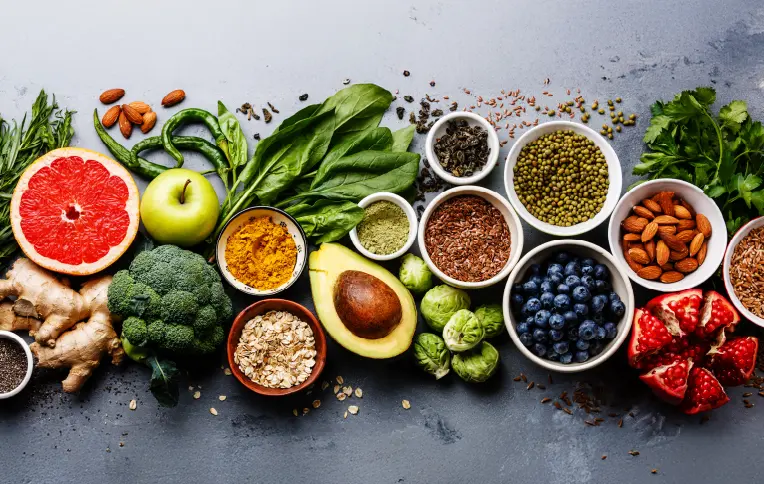
Hair is made of protein, and its growth and strength depend heavily on your diet and hydration.
Healthy hair foods to include:
- Leafy greens and legumes for iron
- Nuts and seeds for zinc and healthy fats
- Eggs and lean meat for protein and biotin
- Plenty of water to support scalp hydration
Supplements can help too, but always consult a healthcare provider before starting anything new.
Final Thoughts from the Chair
Fall doesn’t have to be a setback for your hair. In fact, with the right care, it can be a time of renewal and preparation before the harsher winter months.
As a stylist, I always remind clients that consistency is the secret. Listen to your hair. Give it what it needs – hydration, gentleness, protection – and you’ll see the results in shine, softness, and strength.
And most importantly, don’t feel like you have to overhaul everything. A few seasonal tweaks go a long way.
If you’re unsure where to start or feel like your hair needs something more tailored, speak to a professional stylist. We’re here to help you understand your hair’s unique needs at every stage of the year.
Here’s to healthy, beautiful hair this fall and beyond.